



Our Story
Meet Freddy
Our son wanted a pet. We love dogs, but at this stage of our lives, a dog felt like too much. Then he came up with an idea: a tortoise.
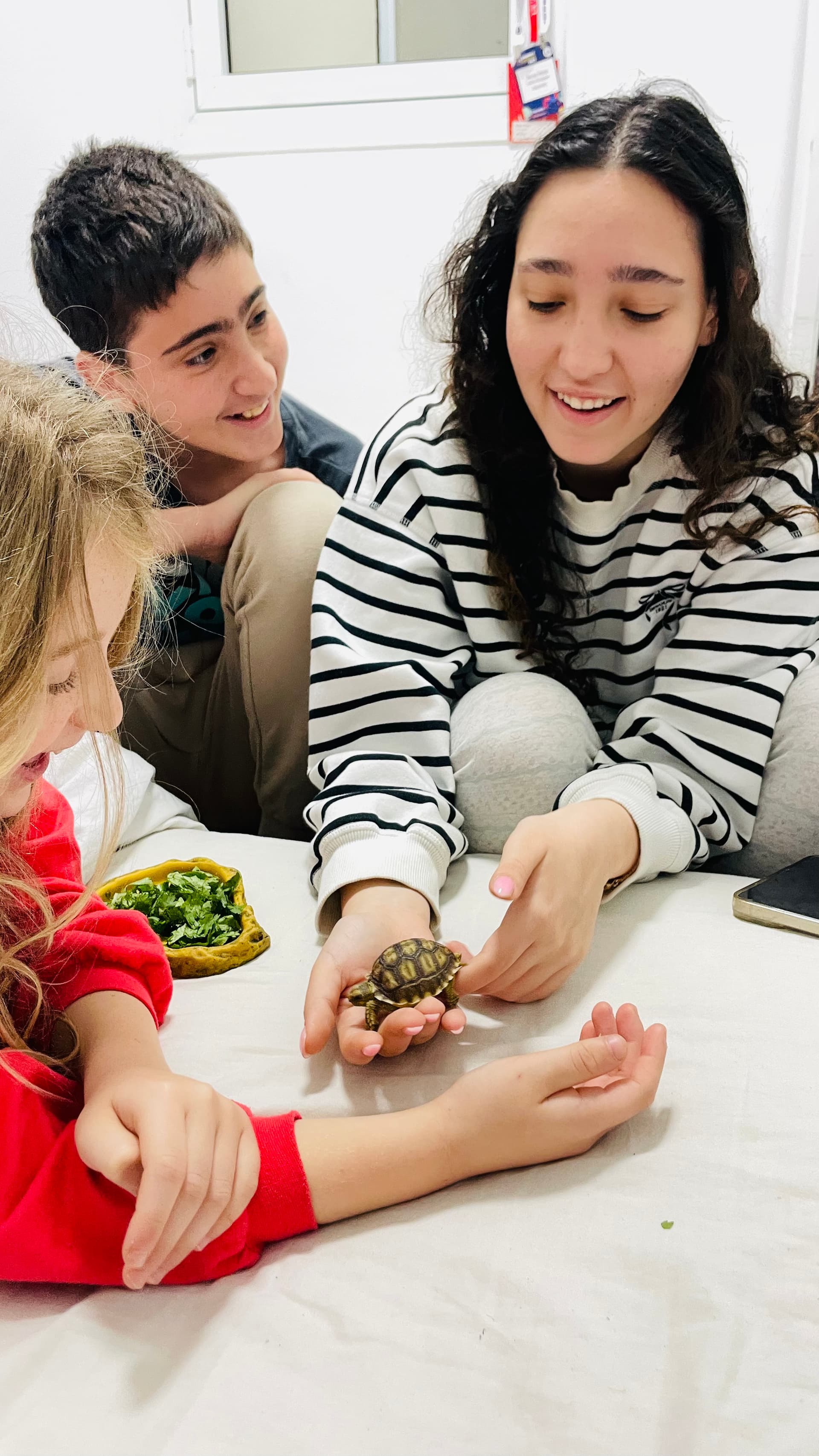
When we went to look, we found a tiny three-week-old tortoise — and we all fell in love instantly. Our son, our daughter, and me too. We started building him a proper habitat and I dove into research, learning everything I could about how to take care of him.


A Climber, and a Flipper
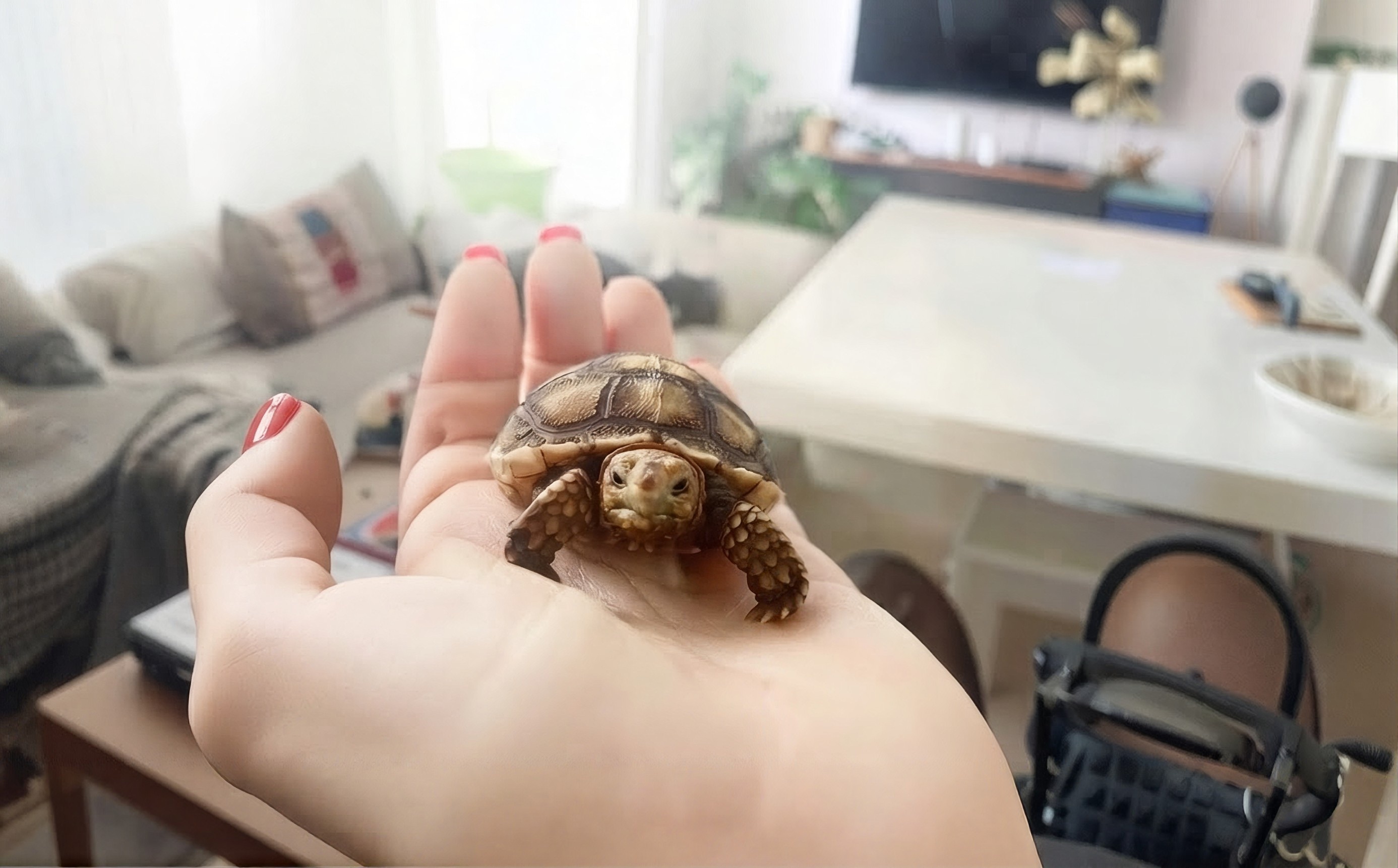
Freddy turned out to be quite the adventurer. He loved climbing — and that meant he kept flipping onto his back. Every time it happened, I’d redesign part of the habitat to prevent it. But somehow, he always found a way. He was a stubborn little guy.
Tortoises can’t right themselves if the ground is too flat or if there’s nothing nearby to grip. Left on their backs for too long, it can become genuinely dangerous for their health.
How it all happened

The Problem With “Just Check the Camera”
I was worried especially when I wasn’t home. Work keeps me busy, and even with a camera set up, remembering to check it every few minutes during a hectic day just wasn’t realistic.
So I thought: why doesn’t it just tell me when he’s flipped?
That question turned into a project. There were a lot of technical hurdles along the way but eventually, it worked.
The Moment Everything Clicked
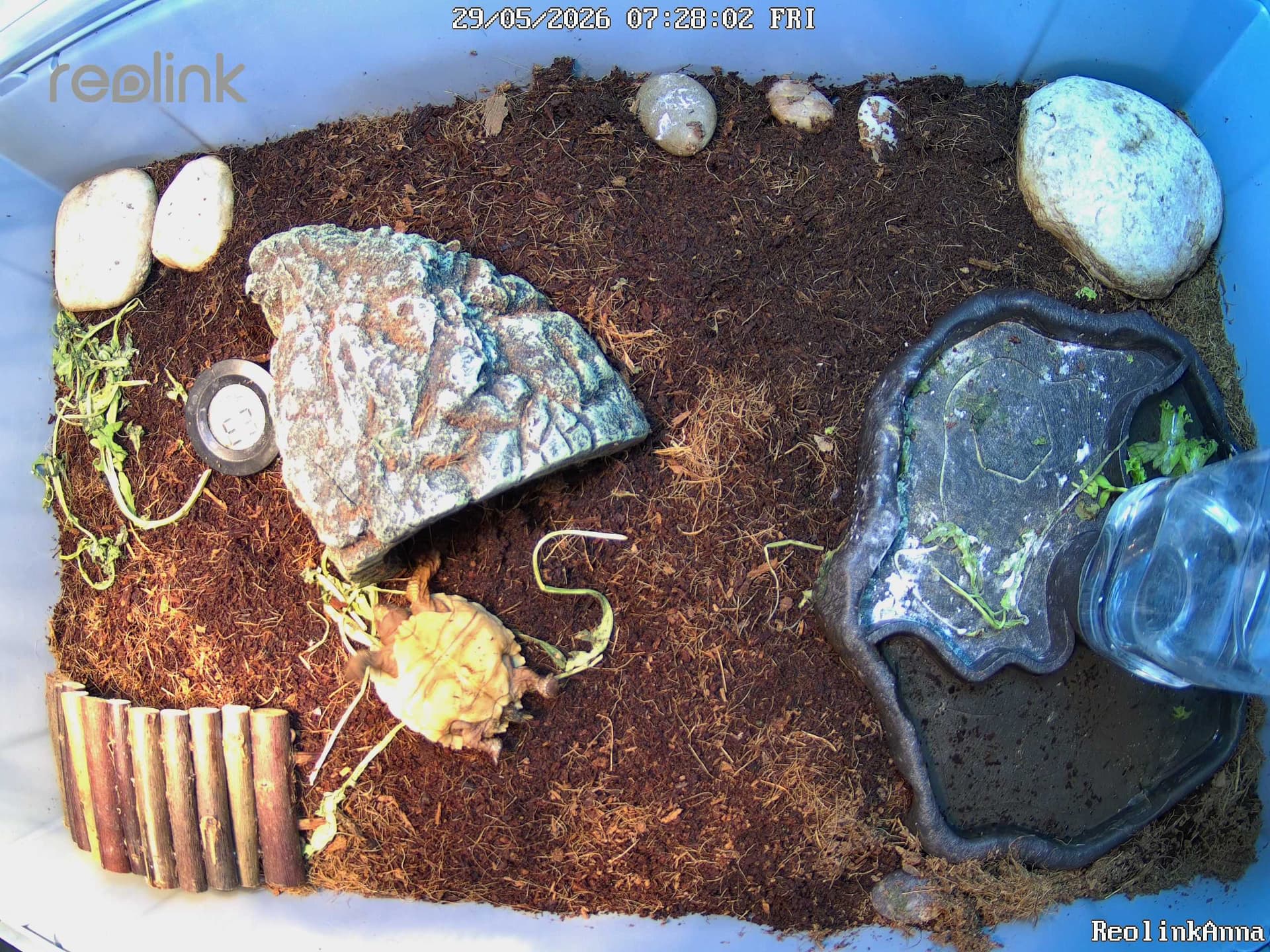
I'll never forget it. I was away from home, in the middle of an important meeting, laptop open, everything happening at once — and suddenly, an email: "Freddy is upside down."
I checked the photo. It was true.
I called my son, who was at a friend’s house, and told him to run home immediately to flip Freddy over. At one point, we even recruited the neighbors for “Operation Flip Freddy.”
Getting It Right
Building a system that’s actually reliable took time. There were false alarms, and there were misses and with every one, I refined the detection a little more, adding new safeguards until it became something I could really trust.
When I got a flip alert while I was sitting in the living room and Freddy was in the next room, it gave me a small jolt — and a huge sense of relief. Because I knew that without it, hours could have passed before I realized he needed help. And he couldn’t ask for it himself.
Beyond Alerts
Of course, the real goal is prevention — learning from every flip to make the habitat safer, and creating conditions where a tortoise can learn to right itself. We’re always working on that too.
But until then, I’d rather know as early as possible. It began for Freddy’s sake, and now it’s for other tortoises too.
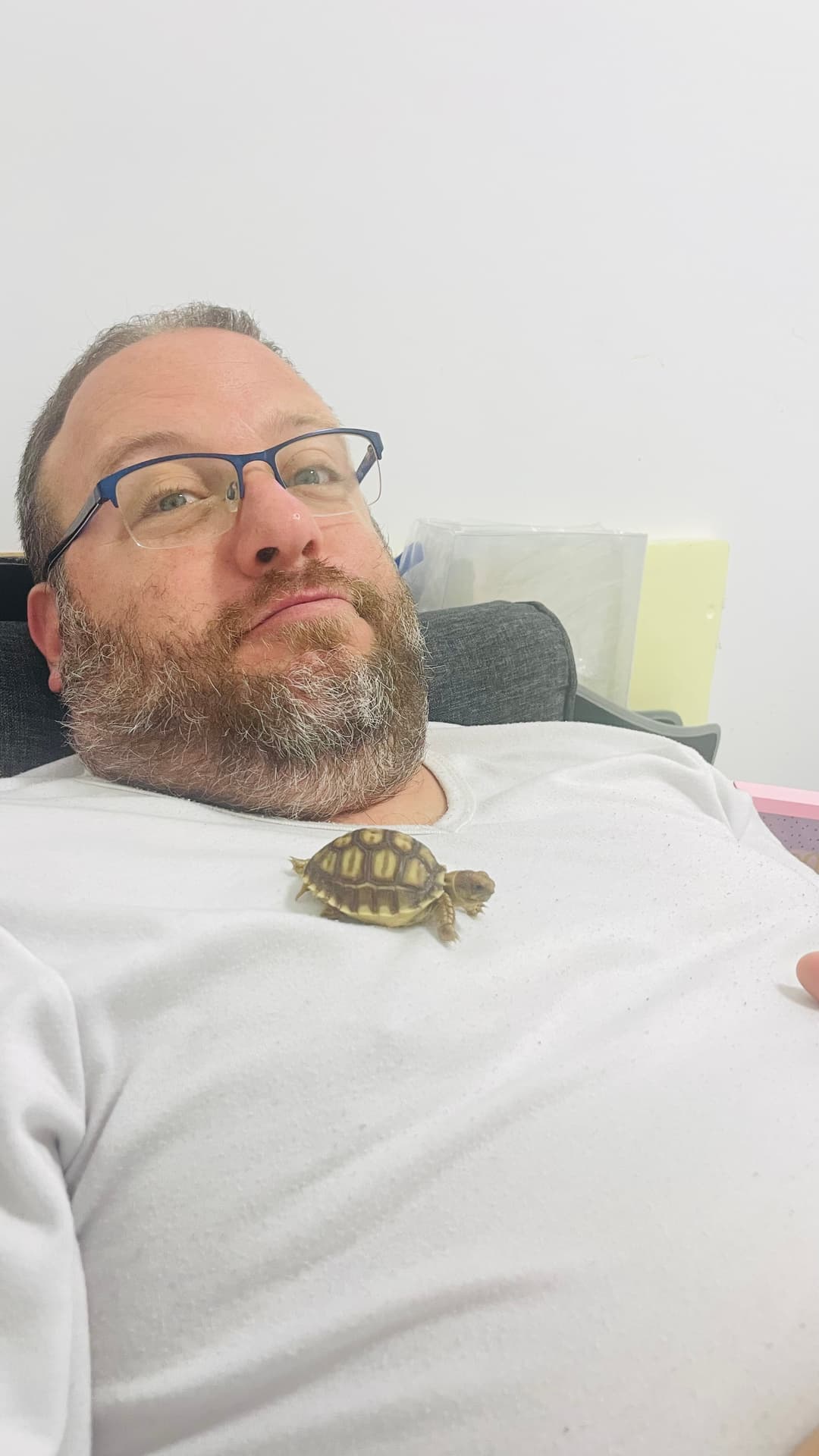
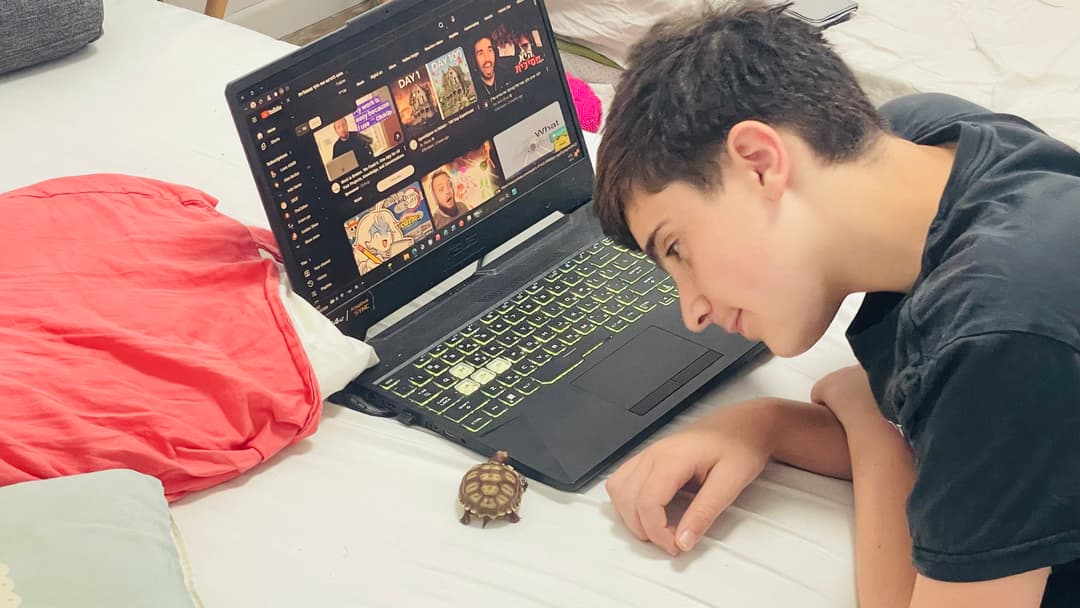
HappyPetz is dedicated to Freddy, the little climber who started it all.

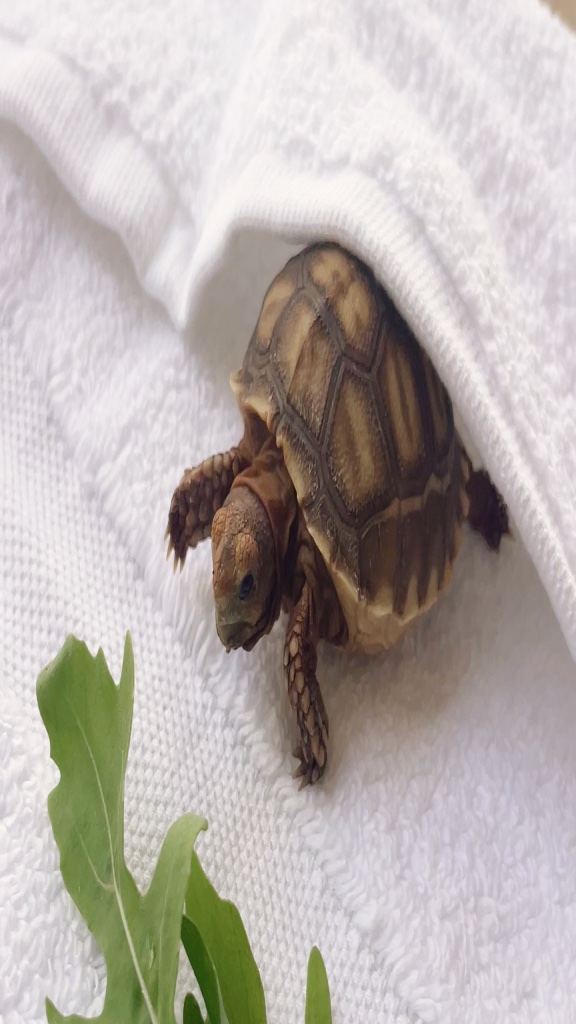
Give your tortoise the
safety net it deserves.
Free early access — help us make tortoises safer.
Our Story
Meet Freddy
Our son wanted a pet. We love dogs, but at this stage of our lives, a dog felt like too much. Then he came up with an idea: a tortoise.
When we went to look, we found a tiny three-week-old tortoise — and we all fell in love instantly. Our son, our daughter, and me too. We started building him a proper habitat and I dove into research, learning everything I could about how to take care of him.
A Climber, and a Flipper
Freddy turned out to be quite the adventurer. He loved climbing — and that meant he kept flipping onto his back. Every time it happened, I’d redesign part of the habitat to prevent it. But somehow, he always found a way. He was a stubborn little guy.
Tortoises can’t right themselves if the ground is too flat or if there’s nothing nearby to grip. Left on their backs for too long, it can become genuinely dangerous for their health.
How it all happened
The Problem With “Just Check the Camera”
I was worried especially when I wasn’t home. Work keeps me busy, and even with a camera set up, remembering to check it every few minutes during a hectic day just wasn’t realistic.
So I thought: why doesn’t it just tell me when he’s flipped?
That question turned into a project. There were a lot of technical hurdles along the way but eventually, it worked.
The Moment Everything Clicked
I'll never forget it. I was away from home, in the middle of an important meeting, laptop open, everything happening at once — and suddenly, an email: "Freddy is upside down."
I checked the photo. It was true.
I called my son, who was at a friend’s house, and told him to run home immediately to flip Freddy over. At one point, we even recruited the neighbors for “Operation Flip Freddy.”
Getting It Right
Building a system that’s actually reliable took time. There were false alarms, and there were misses and with every one, I refined the detection a little more, adding new safeguards until it became something I could really trust.
When I got a flip alert while I was sitting in the living room and Freddy was in the next room, it gave me a small jolt — and a huge sense of relief. Because I knew that without it, hours could have passed before I realized he needed help. And he couldn’t ask for it himself.
Beyond Alerts
Of course, the real goal is prevention — learning from every flip to make the habitat safer, and creating conditions where a tortoise can learn to right itself. We’re always working on that too.
But until then, I’d rather know as early as possible. It began for Freddy’s sake, and now it’s for other tortoises too.
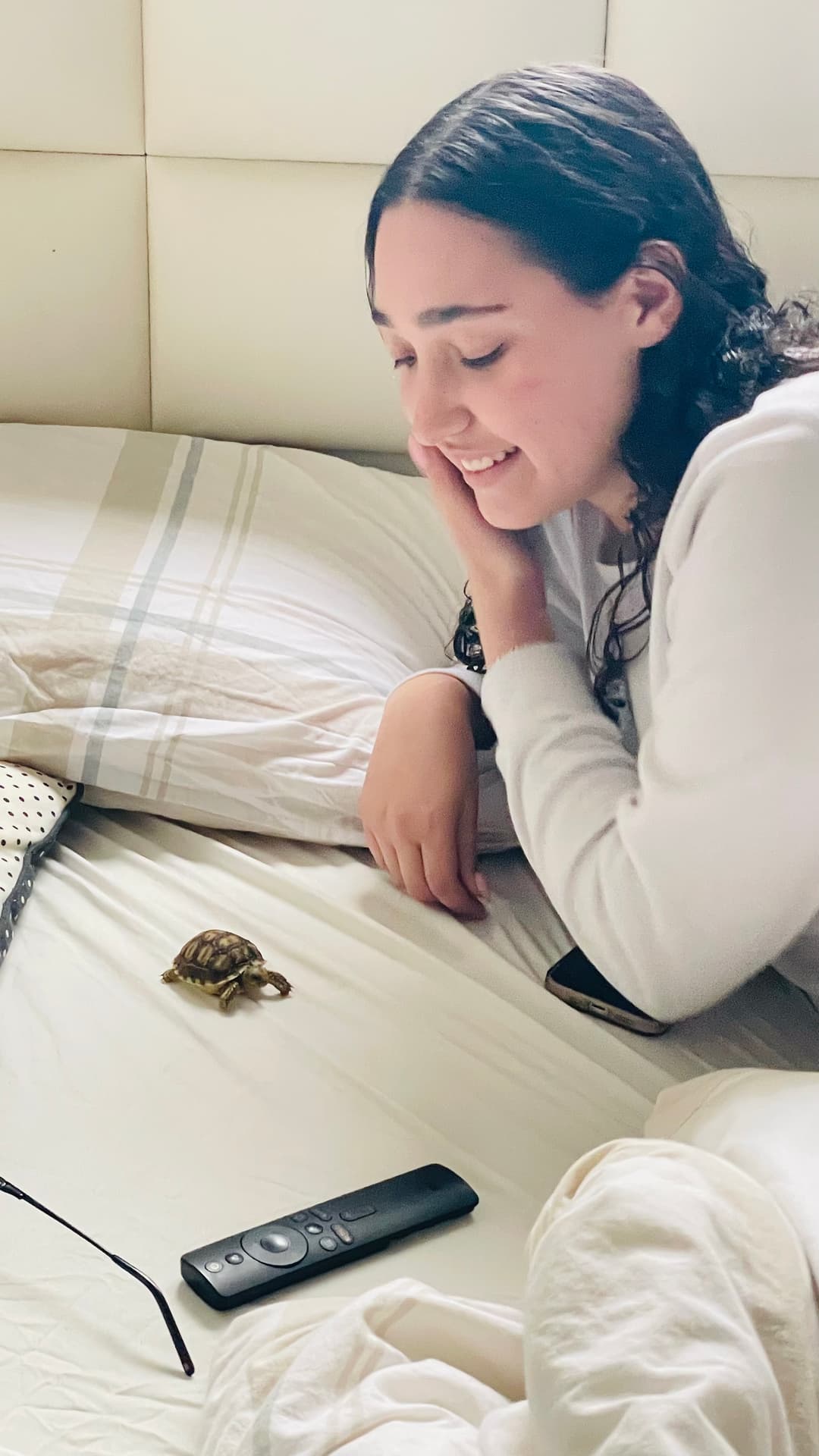
HappyPetz is dedicated to Freddy, the little climber who started it all.

Give your tortoise the
safety net it deserves.
Free early access — help us make tortoises safer.
Already have an account?Sign in